Anxiety Therapy in Naples, Estero & Fort Myers
You don't have to white-knuckle your way through life. Our therapists in Southwest Florida help you understand your anxiety, build practical coping skills, and rediscover a sense of calm.
What Anxiety Looks Like
Anxiety rarely announces itself with a single, dramatic moment. More often, it creeps into your life gradually until one day you realize you have been clenching your jaw for hours, replaying conversations in your head at 2 a.m., or avoiding things you used to enjoy because the "what ifs" feel too loud. For many people living in Naples, Estero, and Fort Myers, the pressure of daily life -- work deadlines, family responsibilities, financial concerns, or even the pace of seasonal changes in Southwest Florida -- can quietly intensify anxious feelings until they feel unmanageable.
You might notice physical symptoms first: a tight chest, shallow breathing, stomach knots, headaches, or an exhaustion that sleep never seems to fix. Or maybe it is more mental -- a constant loop of worry, difficulty making decisions, trouble concentrating, or a sense of dread about things that haven't happened yet. Some people describe it as carrying a weight they cannot put down, or living with a low hum of tension that never quite goes away.
Anxiety can also show up in your relationships and daily routines. Maybe you avoid social gatherings in Collier County because small talk feels overwhelming, or you say yes to everything at work because saying no triggers a wave of guilt. Perhaps you check your phone constantly, over-prepare for meetings, or seek reassurance from loved ones more than you would like. These patterns are not character flaws -- they are your nervous system trying to protect you. And with the right support, they can change.

Types of Anxiety We Treat
Anxiety is not one thing. The version that wakes you up at 3 a.m. with a racing mind is different from the version that locks up your throat before a presentation, and both are different from the wave that hits out of nowhere with no clear cause. Our therapists in Naples, Estero, and Fort Myers work with each of these patterns, and the right treatment depends on which one you are dealing with.
Generalized Anxiety Disorder (GAD)
The worry that never picks a topic. It jumps from work to your kids to a weird sound in the house to whether you replied to that email correctly. With GAD, the anxiety is more or less constant and the content keeps shifting. We help you identify the thinking patterns that fuel chronic worry and build skills for tolerating uncertainty without spinning.
Panic Disorder
The wave hits suddenly — racing heart, shortness of breath, sometimes the certainty that you are dying or losing your mind. Panic attacks are not dangerous, but they are terrifying, and many people start arranging their lives around avoiding the next one. CBT-based work addresses both the panic episodes and the avoidance patterns that follow.
Social Anxiety
The fear that other people are watching you, judging you, finding you boring or strange. Social anxiety can show up at work meetings, parties, dating, or even ordering coffee. It often leads to avoidance, which reinforces the fear. We help you examine the assumptions driving the anxiety and gradually re-engage with the situations you have been steering around.
High-Functioning Anxiety
From the outside, you look fine — high-performing, organized, always saying yes. Inside, you are running constant catastrophe scenarios, overthinking every interaction, and lying awake at 3 a.m. replaying conversations. High-functioning anxiety often goes untreated because nothing looks wrong. But the cost in burnout, exhaustion, and joyless achievement is real, and it responds well to therapy. Common among professionals in Naples and across Southwest Florida.
Health Anxiety
A persistent fear that something is wrong with your body. Every headache becomes a brain tumor; every twinge becomes serious illness. Health anxiety often includes excessive Googling, frequent doctor visits, body-checking, or sometimes the opposite — complete avoidance of medical care. We work with the underlying patterns that turn ordinary bodily sensations into threats.
Performance Anxiety
Anxiety tied to a specific evaluative situation — presentations, exams, athletic performance, public speaking, job interviews. For many people, performance anxiety stays manageable until a single bad experience locks in a fear cycle. We use CBT and exposure-based techniques to reduce both the physical reaction and the meaning the situation carries.
Specific Phobias
Intense fear of a specific object or situation — flying, driving on highways, heights, needles, dogs, dental work. Phobias often respond well to gradual exposure therapy, even when they have been around for years or decades. We work at a pace that feels manageable while still moving you forward.
Anxiety with a Trauma Component
Anxiety that traces back to a specific event, period, or relationship — a car accident, an assault, growing up in an unpredictable home, the lasting effects of Hurricane Ian for many Lee County residents. When anxiety is trauma-rooted, talk therapy alone often is not enough. We pair anxiety treatment with EMDR or trauma-focused approaches to address both the symptoms and the underlying memories.
If you are not sure which pattern fits, that is completely normal — many people deal with more than one type at a time. Your therapist will help you sort through it during the first session.
Is Anxiety Therapy Right for You?
You do not need a diagnosis or a crisis to benefit from anxiety therapy. If any of the following feel familiar, working with a therapist could help:
- ✓ Worry or nervousness that feels out of proportion to the situation
- ✓ Avoiding places, people, or situations because of how they make you feel
- ✓ Difficulty sleeping, relaxing, or turning off your mind
- ✓ Physical symptoms like chest tightness, nausea, or muscle tension with no medical cause
- ✓ Panic attacks or sudden episodes of intense fear
- ✓ Irritability, restlessness, or feeling on edge most days
If your anxiety is connected to a specific past event or trauma, EMDR therapy may be a good fit. If you are experiencing anxiety alongside persistent sadness or low mood, our depression counseling page may also be relevant -- anxiety and depression frequently co-occur, and our therapists are experienced in treating both. If your anxiety shows up as intrusive thoughts followed by rituals or checking behaviors, that may be obsessive-compulsive disorder rather than generalized anxiety -- our OCD treatment page covers ERP, the gold-standard approach. For anxiety that shows up primarily as overwhelming daily pressure, our stress management services can complement anxiety therapy.
Our Treatment Approach
At Florida Coast Counseling, we believe effective anxiety treatment starts with understanding your unique experience -- not applying a one-size-fits-all protocol. Our therapists across our Naples, Estero, and Fort Myers offices draw from several evidence-based approaches, choosing the tools that best fit you and your goals.
Cognitive Behavioral Therapy (CBT) is one of the most well-researched treatments for anxiety. Multiple meta-analyses have found CBT to be highly effective for generalized anxiety disorder, panic disorder, and social anxiety, with treatment gains that hold up over time (Hofmann et al., 2012, Cognitive Therapy and Research). It helps you identify the specific thought patterns that fuel your worry, examine whether those thoughts are accurate or helpful, and develop healthier ways of responding to stressful situations. Over time, CBT teaches you to interrupt the anxiety cycle before it takes over. Many of our therapists also integrate mindfulness-based techniques, which help you develop a different relationship with anxious thoughts. Research published in JAMA Internal Medicine found that mindfulness-based programs showed moderate evidence of improving anxiety symptoms (Goyal et al., 2014). Rather than fighting your anxiety or trying to think your way out of it, mindfulness teaches you to observe your experience with curiosity and without judgment. This can be especially powerful for clients who feel trapped in a loop of overthinking.
For clients whose anxiety is rooted in past experiences or shows up as intense physical reactions, we may incorporate Acceptance and Commitment Therapy (ACT), which focuses on clarifying your values and building willingness to experience difficult emotions rather than organizing your life around avoiding them. A meta-analysis in Behaviour Research and Therapy found ACT to be effective across a range of anxiety conditions, with outcomes comparable to CBT (A-Tjak et al., 2015). Some of our therapists also use Internal Family Systems (IFS) and Dialectical Behavior Therapy (DBT) skills to address anxiety that co-occurs with other concerns. Every treatment plan at our Lee County and Collier County offices is collaborative -- you are always part of the conversation about what is working and what needs to shift.
Which Approach Is Right for You?
| Approach | Best for | How it works |
|---|---|---|
| CBT | Generalized anxiety, panic, social anxiety, phobias | Identifies and restructures thought patterns that drive worry and avoidance |
| Mindfulness | Overthinking, rumination, chronic tension | Builds present-moment awareness so anxious thoughts lose their grip |
| ACT | Avoidance-driven anxiety, values disconnection | Focuses on living according to your values rather than eliminating anxiety |
| EMDR | Anxiety rooted in past trauma or specific distressing events | Reprocesses memories so they no longer trigger intense anxiety responses |
| DBT | Anxiety with emotional dysregulation or co-occurring concerns | Teaches distress tolerance, emotion regulation, and interpersonal skills |
Many clients benefit from a combination of approaches. Your therapist will recommend a starting point based on your symptoms and goals, and adjust as you progress.
What to Expect in Sessions
Your first appointment is a chance for you and your therapist to get to know each other. We will ask about what brought you in, what your anxiety looks like day to day, your history, your strengths, and what you hope to get out of therapy. There is no pressure to share everything at once. The goal of this initial session is to help you feel heard and to begin building a plan together.
In the sessions that follow, you will work with your therapist to identify the specific triggers, thoughts, and behaviors that keep your anxiety going. This might involve tracking patterns between sessions, practicing new skills in the office and then at home, or working through difficult situations using role-play or guided exercises. Sessions are typically 50 minutes and are held weekly, though we adjust frequency based on your needs and schedule. Whether you are meeting us at our Naples office on Pine Ridge Road, our Estero location, or our Fort Myers office, the pace is always set by you.
Many clients start noticing shifts within the first few weeks -- not that their anxiety disappears overnight, but that they begin responding to it differently. You may find yourself catching anxious thoughts sooner, tolerating uncertainty more comfortably, or finally doing something you have been avoiding. Over time, the skills you learn in therapy become second nature. Our goal is not to make you dependent on weekly sessions forever, but to equip you with the tools and self-awareness you need to manage anxiety confidently on your own.
Anxiety Therapy Across Naples, Estero & Fort Myers
Anxiety is one of the most common reasons people reach out to us, and one of the most treatable. Our therapists in Naples, Estero, and Fort Myers all bring evidence-based approaches — most often CBT, ACT, mindfulness-based therapies, and EMDR for anxiety with a trauma component. The right fit usually depends less on the office than on the therapist, but where you live often makes one location the practical choice.
Anxiety Therapy in Naples
Our Naples office on Pine Ridge Road serves clients from across Collier County — North Naples, Pelican Bay, Marco Island, Golden Gate, and the Vineyards. Naples residents often arrive carrying a specific kind of anxiety: the high-functioning kind that looks fine from the outside, where the racing thoughts only show up at 3 a.m. or before the next big work meeting. Several of our Naples clinicians work with this pattern specifically.
Co-owner Dr. Rebecca Anderson, our Licensed Psychologist, sees anxiety clients here, alongside Chelsea Birmingham, LMHC, Emily Korolevich, LMFT, who sees clients in English and Spanish, and Stephanie House, LMHC, who is EMDR-trained for anxiety with a trauma component and also treats OCD. Most major insurance plans accepted at the Naples office, including Aetna, BCBS, Cigna, United Healthcare, and Medicare Part B.
Anxiety Therapy in Estero
Our Estero office at Estero Park Commons sits just off US-41 near Corkscrew Road, a convenient location for clients in Estero, Bonita Springs, San Carlos Park, and the Coconut Point area. Many Estero anxiety clients are juggling careers, family, and the specific stress of living in a fast-growing community where everything seems to be under construction.
Anxiety clients at this office work with Dr. Rebecca Anderson, Mary Lisa Grimmer, LMHC, Stephen Bridges, MSW, Micki Besse, who brings ACT and trauma-informed approaches to her work, and Leigh Williamson, whose person-centered style suits teens and adults whose anxiety is bound up in relationships or a recent change.
Anxiety Therapy in Fort Myers
Our Fort Myers office on Matthew Drive, just south of Colonial Boulevard in the Page Park area, serves clients from across Lee County — Cape Coral via the Midpoint and Cape Coral bridges, Lehigh Acres, Fort Myers Beach, and the surrounding communities. Lee County has fewer therapists per capita than most parts of Florida, and many of our Fort Myers clients tell us they searched for weeks before finding availability.
Anxiety clients at this office work with Mary Lisa Grimmer, LMHC, Stephen Bridges, MSW, Camelia Francisc, LMHC (anxiety alongside complex trauma and narcissistic abuse recovery), and Leigh Williamson. We accept Care Partners through Lee Health, which many Lee County residents and Lee Health employees use, in addition to the major commercial plans.
Therapists Who Specialize in Anxiety

Rebecca Anderson, PhD
Licensed Psychologist & Co-Owner
Naples & Estero offices

Angelina Papazova, MS, CRC, LMHC
Licensed Mental Health Counselor
Naples office

Skyler Moore, MA, RMHCI
Registered Mental Health Counselor Intern
Naples & Estero offices

Stephanie House, MS, LMHC
Licensed Mental Health Counselor
Naples office

Mary Lisa Grimmer, MA, LMHC
Licensed Mental Health Counselor
Estero & Fort Myers offices

Stephen Bridges, MSW, RCSWI
Registered Clinical Social Worker Intern
Estero & Fort Myers offices

Micki Besse, MS, MA, RMHCI
Registered Mental Health Counselor Intern
Estero office

Shivani Patel, M.Ed. & Ed.S., RMFTI
Registered Marriage and Family Therapy Intern
Estero & Fort Myers offices

Kim Slote, MSW, RCSWI, JD
Registered Clinical Social Worker Intern
Naples office

Camelia Francisc, MS, LMHC
Licensed Mental Health Counselor
Fort Myers office
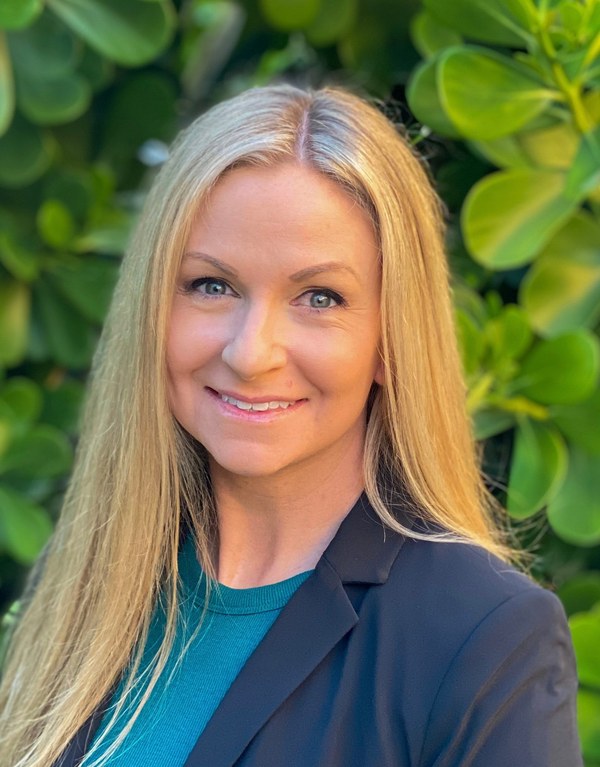
Leigh Williamson, MA, RMHCI
Registered Mental Health Counselor Intern
Estero & Fort Myers offices
Frequently Asked Questions
How do I know if I need anxiety therapy?
If worry, nervousness, or fear regularly interfere with your daily life, relationships, sleep, or work performance, it may be time to talk with a therapist. Common signs include persistent racing thoughts, difficulty concentrating, physical symptoms like a racing heart or muscle tension, avoidance of certain situations, and feeling on edge most of the time. You don't need to be in crisis to benefit from therapy — even mild but persistent anxiety deserves attention.
What types of anxiety do you treat at your Naples, Estero, and Fort Myers offices?
Our therapists treat a wide range of anxiety-related conditions including generalized anxiety disorder (GAD), social anxiety, panic disorder, phobias, health anxiety, performance anxiety, and obsessive-compulsive patterns. We also work with clients experiencing anxiety related to life transitions, work stress, and relationship concerns. Treatment is tailored to your specific symptoms and goals.
How long does anxiety therapy typically take?
The length of treatment varies depending on the severity of your symptoms, your personal goals, and the therapeutic approach used. Many clients begin to notice meaningful improvement within 8 to 12 sessions. Some people benefit from shorter-term focused work, while others prefer ongoing support as they build long-term coping skills. Your therapist will regularly check in about your progress and adjust the plan as needed.
Do you accept insurance for anxiety therapy in Southwest Florida?
Yes, Florida Coast Counseling accepts most major insurance plans at our Naples, Estero, and Fort Myers locations. We recommend calling our office at (239) 427-1833 or visiting our contact page so we can verify your specific benefits before your first appointment. We want to make quality anxiety treatment as accessible as possible.
Can anxiety therapy be done through telehealth?
Absolutely. We offer telehealth sessions for anxiety therapy to clients located anywhere in Florida. Virtual sessions use the same evidence-based techniques as in-person appointments and can be especially helpful for clients who experience anxiety about leaving home, driving, or visiting new places. Many of our clients find that the comfort of their own environment actually helps them engage more openly in sessions.
What is the best type of therapy for anxiety?
Cognitive Behavioral Therapy (CBT) has the strongest research base for treating anxiety disorders and is considered the gold standard by most clinical guidelines. CBT works by helping you identify and change the thought patterns and behaviors that keep anxiety going. Other effective approaches include Acceptance and Commitment Therapy (ACT), mindfulness-based therapies, and EMDR for anxiety rooted in past experiences. Your therapist will recommend the approach that best fits your specific type of anxiety and your personal goals.
Can anxiety be cured, or will I always have it?
Most people who complete a course of therapy for anxiety experience significant and lasting improvement. Many reach a point where anxiety no longer interferes with their daily life. That said, anxiety is a normal human emotion -- the goal of therapy isn't to eliminate it entirely, but to bring it down to a level where you can manage it effectively and it no longer controls your decisions. The coping skills you learn in therapy stay with you long after sessions end, and many clients find they rarely need to use them once the underlying patterns are addressed.
Related Services
Depression Counseling
Compassionate support for low mood and hopelessness
Stress Management
Practical tools for managing daily pressures
CBT
Change unhelpful thought patterns and behaviors
Mindfulness Approaches
Cultivate present-moment awareness and calm
Individual Therapy
Personalized one-on-one counseling
OCD Treatment
ERP-based therapy for obsessive-compulsive disorder
Insurance We Accept for Anxiety Therapy
We want cost to be one less thing to worry about. Florida Coast Counseling accepts most major insurance plans at all three of our offices.
Not sure if your plan is covered? Call us at (239) 427-1833 and we will check your benefits before your first session. Learn more about insurance & payment →
Approaches and Related Conditions
Anxiety often shows up alongside other concerns — and several proven approaches can help:
Cognitive Behavioral Therapy (CBT)
First-line evidence-based treatment for most anxiety disorders.
EMDR Therapy
Especially useful when anxiety is rooted in past distressing experiences.
Mindfulness-Based Therapy
Reduces rumination and reactivity through present-moment awareness skills.
Depression Counseling
Anxiety and depression frequently co-occur and respond well to integrated care.
Ready to Get Started?
Anxiety does not have to run your life. Take the first step toward feeling like yourself again -- reach out to our team today.
Available at our Naples, Estero, and Fort Myers offices, plus telehealth across Florida.
If you or someone you know is in crisis, please contact the 988 Suicide & Crisis Lifeline by calling or texting 988, or reach the Crisis Text Line by texting HOME to 741741. These services are free, confidential, and available 24/7.