OCD Treatment in Naples, Estero & Fort Myers
OCD can feel like being trapped in a loop you did not choose. Our therapists in Southwest Florida use proven, evidence-based methods to help you break free from obsessive thoughts and compulsive behaviors -- so you can live according to your values, not your fears.
What OCD Looks Like
Most people think OCD is about being neat or organized. The reality is far more complex -- and far more painful. Obsessive-compulsive disorder is driven by unwanted, intrusive thoughts, images, or urges (obsessions) that create intense distress, followed by repetitive behaviors or mental acts (compulsions) that a person feels driven to perform to reduce that distress. The cycle is exhausting, time-consuming, and often deeply isolating.
OCD can look like many things. You might experience contamination fears that lead to excessive washing or avoidance of public places around Naples or Fort Myers. You might have checking compulsions -- going back to make sure the door is locked, the stove is off, or that you did not accidentally harm someone. Some people experience "just right" OCD, where things need to feel, look, or sound a certain way before they can move on. Others struggle with intrusive thoughts about harm, relationships, religion, or identity that feel completely at odds with who they are. These are sometimes called harm OCD, relationship OCD, or scrupulosity.
What many people do not realize is that compulsions are not always visible. Mental rituals -- like mentally reviewing events, counting, praying in specific patterns, or seeking reassurance from yourself or others -- are just as much a part of OCD as hand washing. Reassurance seeking, where you repeatedly ask loved ones to confirm that something is okay or that you are a good person, is one of the most common compulsions and one of the hardest to recognize. If you find yourself stuck in any of these patterns, you are not losing your mind and you are not alone. OCD is a well-understood condition, and effective treatment exists.
Is OCD Treatment Right for You?
You do not need a formal diagnosis to reach out. If any of the following feel familiar, working with a therapist trained in OCD could help:
- ✓ Unwanted, intrusive thoughts that feel disturbing, inappropriate, or hard to control
- ✓ Repetitive behaviors or rituals you feel compelled to perform to reduce anxiety
- ✓ Spending significant time each day checking, washing, counting, or mentally reviewing
- ✓ Avoiding situations, places, or people because of fears your OCD has created
- ✓ Frequently seeking reassurance from others about your fears or decisions
- ✓ A persistent feeling that something is "not right" that interferes with your daily life
OCD often co-occurs with anxiety, and you may find our anxiety therapy page helpful as well. Our therapists use cognitive behavioral therapy as the foundation of OCD treatment, and sessions are delivered in a one-on-one individual therapy format tailored to your specific OCD themes and goals.
Our Treatment Approach
At Florida Coast Counseling, we treat OCD with the approaches that research has shown to be most effective. Our therapists across our Naples, Estero, and Fort Myers offices are trained in evidence-based methods specifically designed for obsessive-compulsive disorder -- not just general anxiety treatment.
Exposure and Response Prevention (ERP) is the gold standard treatment for OCD. ERP is a specialized form of cognitive behavioral therapy that involves gradually and systematically exposing you to the thoughts, images, and situations that trigger your obsessions -- while helping you resist the urge to perform your compulsions. A landmark randomized controlled trial published in the American Journal of Psychiatry found that ERP was significantly more effective than both placebo and stress management training for OCD (Foa et al., 2005). A comprehensive meta-analysis of CBT for OCD in Clinical Psychology Review confirmed large effect sizes for ERP-based treatments across multiple studies, with gains maintained at follow-up (Ost et al., 2015). ERP works because it teaches your brain that anxiety will decrease on its own without the compulsion -- breaking the cycle that keeps OCD going.
For some clients, we also integrate Acceptance and Commitment Therapy (ACT), which can be a powerful complement to ERP. ACT helps you develop a different relationship with intrusive thoughts -- learning to observe them without judgment and without needing to neutralize them. This approach focuses on building psychological flexibility and helping you take action based on your values rather than your fears. Mindfulness-based techniques are also woven into treatment when appropriate, helping you practice noticing obsessive thoughts without engaging with them or treating them as meaningful. Every treatment plan is collaborative and tailored to your specific OCD themes, severity, and personal goals.
Which Approach Is Right for You?
| Approach | Best for | How it works |
|---|---|---|
| ERP / CBT | All types of OCD -- contamination, checking, harm, relationship, scrupulosity, "just right" | Gradual, structured exposure to triggers while resisting compulsions, breaking the OCD cycle |
| ACT for OCD | Clients who struggle with thought fusion, avoidance, or values disconnection | Builds willingness to experience intrusive thoughts without acting on them, refocuses on valued living |
| Mindfulness-Based | Rumination, mental rituals, difficulty disengaging from obsessive thoughts | Develops present-moment awareness and the ability to observe thoughts without engaging or reacting |
| Medication + Therapy Combined | Moderate to severe OCD, or when therapy alone has plateaued | SSRIs prescribed by a psychiatrist can reduce OCD intensity, making ERP more effective; we coordinate with prescribers |
Many clients benefit from a combination of approaches. Your therapist will recommend a starting point based on your symptoms and goals, and adjust as you progress.
What to Expect in Sessions
Your first session is focused on understanding your experience. Your therapist will ask about your specific obsessions and compulsions, how they affect your daily life, when they started, and what you have tried so far. There is no pressure to share everything at once, and nothing you say will shock us. The goal is to build a clear picture of your OCD so we can create a treatment plan that fits you.
In the sessions that follow, you will work with your therapist to build an exposure hierarchy -- a personalized list of situations, thoughts, and triggers ranked from least to most anxiety-provoking. ERP starts with the items that feel most manageable and gradually works up. For example, if you have contamination OCD, an early exposure might involve touching a doorknob and waiting a few minutes before washing your hands. Over time, exposures become more challenging as your confidence grows. Throughout the process, your therapist is right there with you -- guiding, supporting, and helping you resist the pull of compulsions.
Between sessions, you will practice exposures on your own using the skills you learn in therapy. This practice is a critical part of treatment -- it is where the real change happens. Sessions are typically 50 minutes and are held weekly, though we may recommend more frequent sessions at the start of treatment for more severe OCD. Whether you are meeting us at our Naples office on Pine Ridge Road, our Estero location, or our Fort Myers office, every step of treatment moves at a pace that challenges you without overwhelming you. The goal is not to eliminate intrusive thoughts entirely -- everyone has them -- but to change your relationship with those thoughts so they no longer control your life.
Therapists Who Specialize in OCD

Stephanie House, MS, LMHC
Licensed Mental Health Counselor
Estero & Fort Myers offices

Rebecca Anderson, PhD
Licensed Psychologist & Co-Owner
Naples & Estero offices

Angelina Papazova, MS, CRC, RMHCI
Registered Mental Health Counselor Intern
Naples office
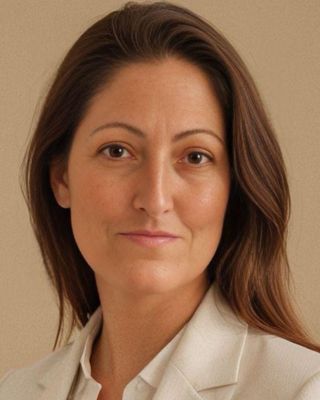
Mary Lisa Grimmer, MA, LMHC
Licensed Mental Health Counselor
Estero & Fort Myers offices
Frequently Asked Questions
How do I know if what I'm experiencing is OCD?
OCD involves a cycle of unwanted, intrusive thoughts (obsessions) that cause significant distress, followed by behaviors or mental acts (compulsions) aimed at reducing that distress. If you find yourself stuck in repetitive patterns — checking, seeking reassurance, mentally reviewing, avoiding certain situations, or performing rituals to feel 'right' — it may be OCD. Many people with OCD recognize their thoughts are irrational but still feel unable to stop. A thorough evaluation with one of our therapists in Naples, Estero, or Fort Myers can help clarify whether OCD is the right diagnosis.
What is ERP therapy and why is it considered the gold standard for OCD?
Exposure and Response Prevention (ERP) is a specialized form of cognitive behavioral therapy designed specifically for OCD. It involves gradually exposing you to situations, thoughts, or images that trigger your obsessions — while helping you resist performing your usual compulsions. Over time, your brain learns that the anxiety decreases on its own without the compulsion, and the obsessive thoughts lose their power. Decades of research, including randomized controlled trials published in the American Journal of Psychiatry, have found ERP to be the most effective therapy for OCD.
How long does OCD treatment usually take?
Most clients begin to notice meaningful improvement within 12 to 20 sessions of consistent ERP-based treatment. The timeline depends on the severity of your symptoms, how many types of obsessions and compulsions are present, and how consistently you practice exposures between sessions. Some people benefit from a shorter course of treatment, while others prefer ongoing support as they work through different OCD themes. Your therapist will track your progress and adjust the plan as needed.
Do you accept insurance for OCD treatment in Southwest Florida?
Yes, Florida Coast Counseling accepts most major insurance plans at our Naples, Estero, and Fort Myers locations. We recommend calling our office at (239) 427-1833 or visiting our contact page so we can verify your specific benefits before your first appointment. We want to make evidence-based OCD treatment as accessible as possible.
Can OCD treatment be done through telehealth?
Yes. We offer telehealth sessions for OCD treatment to clients located anywhere in Florida. ERP can be conducted very effectively through video sessions, and in some cases telehealth offers advantages — for example, your therapist can guide you through exposures in your own home environment where OCD symptoms are most active. Many of our clients find that telehealth allows them to practice real-world exposures during sessions in ways that an office setting cannot replicate.
Insurance We Accept for OCD Treatment
We want cost to be one less thing to worry about. Florida Coast Counseling accepts most major insurance plans at all three of our offices.
Not sure if your plan is covered? Call us at (239) 427-1833 and we will check your benefits before your first session. Learn more about insurance & payment →
Ready to Start Your Journey?
OCD does not have to control your life. Take the first step toward breaking free from the cycle -- reach out to our team today.
Available at our Naples, Estero, and Fort Myers offices, plus telehealth across Florida.
If you or someone you know is in crisis, please contact the 988 Suicide & Crisis Lifeline by calling or texting 988, or reach the Crisis Text Line by texting HOME to 741741. These services are free, confidential, and available 24/7.