Therapy in Fort Myers: What Lee County Residents Should Know
Fort Myers and Lee County have a growing need for mental health services and not enough providers to meet it. Here's how to actually find the right therapist without spinning your wheels.
By Rebecca Anderson, PhD · Licensed Psychologist · Florida Coast Counseling
The Reality of Finding a Therapist in Lee County
If you've tried to find a therapist in Fort Myers recently, you already know it's harder than it should be. You call a few offices, leave voicemails, maybe get a callback a week later only to hear they're not taking new clients. Or they are, but not with your insurance. Or they can see you -- in six weeks.
Lee County has a genuine shortage of mental health providers relative to its population. The county has grown rapidly over the past decade, with Fort Myers, Cape Coral, and Lehigh Acres all expanding faster than the healthcare infrastructure can keep up. And then Hurricane Ian hit in September 2022, creating a surge in demand that the system still hasn't fully absorbed. More people need help. There aren't enough providers. Waitlists are real.
That's the bad news. The good news is that Lee County's mental health landscape has expanded significantly since Ian. New practices have opened. Existing ones have added therapists. Telehealth has made it possible to see a therapist anywhere in Florida without driving anywhere. The options are better than they were two years ago -- you just need to know where to look and what to prioritize.
The Geography Problem: Cape Coral, Lehigh Acres, and North Fort Myers
Most therapy practices in Lee County are clustered in central and south Fort Myers -- along Colonial Boulevard, near the hospitals, or in the commercial corridors off US-41 and Daniels Parkway. If you live in Fort Myers proper, you've got plenty of options within a 15-minute drive.
But if you live in Cape Coral, Lehigh Acres, North Fort Myers, or Gateway, the math changes. Cape Coral is the largest city in Lee County by population, and it has surprisingly few mental health providers relative to its size. Most Cape Coral residents end up crossing one of the bridges into Fort Myers for therapy. That's doable -- the Midpoint Memorial Bridge and Veterans Memorial Bridge put you in central Fort Myers in 15 to 20 minutes -- but it adds friction. And friction is the enemy of consistent therapy attendance.
Lehigh Acres is even more underserved. It's one of the fastest-growing communities in Southwest Florida and has very limited local mental health infrastructure. Residents typically drive 20 to 30 minutes into Fort Myers for care.
If driving is a barrier, two things worth considering. First, telehealth therapy is fully covered by most insurance plans in Florida and uses the same evidence-based approaches as in-person sessions. You can see a licensed therapist from your living room. Second, when you do choose an in-person therapist, pick one whose office location works with your routine -- near your workplace, your kid's school, or on your normal commute -- rather than the one closest to home on a map. You're more likely to keep going.
Insurance and Cost: What's Different in Lee County
Most national insurance plans work the same way regardless of which county you're in. Aetna, Blue Cross Blue Shield, Cigna, United Healthcare, and Medicare Part B all cover outpatient therapy with a licensed provider. Your copay typically ranges from $20 to $50 per session, depending on your plan.
Where Lee County differs from Collier County is the local health system. Lee Health is the dominant hospital network in Lee County, and many Lee County employers offer insurance plans that run through Lee Health's network. If you have a Care Partners plan through Lee Health, you'll want to confirm that the therapist you're considering is in-network with Care Partners specifically -- it's a separate panel from the major national insurers.
One thing people don't always realize: your insurance company's online provider directory is often outdated. A therapist might be listed as "accepting new patients" when they've actually been full for months. Always call the practice directly. A quick phone call will save you a week of waiting for a callback that leads nowhere.
If you don't have insurance or your plan doesn't cover much, ask about sliding-scale fees. Many Fort Myers therapists offer reduced rates based on financial need. SalusCare, Lee County's community mental health provider, offers services on a sliding fee scale as well. The 211 Helpline (call or text 211) can connect you to affordable options.
What to Actually Look for in a Fort Myers Therapist
Credentials matter, but they're the floor, not the ceiling. Any licensed therapist in Florida -- whether they're a Licensed Mental Health Counselor, Licensed Psychologist, Licensed Clinical Social Worker, or Licensed Marriage and Family Therapist -- has met the state's education and supervision requirements. You can verify anyone's license through the Florida Department of Health.
Beyond the license, here's what separates a good fit from a mediocre one:
- Specific experience with your concern. A therapist who lists anxiety as a specialty and one who occasionally sees anxious clients are two different things. Look for someone who names your issue in their profile and describes how they treat it.
- A named treatment approach. CBT, EMDR, DBT, ACT -- these are evidence-based approaches with research behind them. A therapist who can tell you what they do and why is a better bet than one who describes their approach in vague terms.
- Availability that matches your life. Weekly sessions are the standard for most therapy. If a therapist can only see you every other week, or only during hours when you're at work, the therapy will stall. Ask about scheduling before you commit.
- A real conversation during the consultation. Most therapists offer a brief phone consultation before the first session. Use it. You're not just checking boxes -- you're getting a feel for whether this person seems like someone you could be honest with. That matters more than any credential.
Common Reasons People Seek Therapy in Fort Myers
Every community has its own pressures. Fort Myers and Lee County have a few that come up again and again in therapy offices:
- Hurricane Ian aftermath. It's been years, but storm-related anxiety and PTSD are still showing up in therapy intakes across Lee County. Fort Myers Beach, Sanibel, Pine Island, and parts of south Fort Myers were devastated. Many people who thought they'd "moved past it" find that storm season still triggers intense anxiety, sleep problems, or avoidance. Trauma therapy and EMDR are especially relevant here.
- Relocation stress. Fort Myers and Cape Coral have been among the fastest-growing metro areas in the country. A lot of the people searching for a therapist here are relatively new to the area. Moving to a new city -- even a beautiful one -- is a major life transition. The excitement wears off, and you realize your support system is 1,200 miles away. Individual therapy helps people build resilience during these transitions.
- Relationship strain. Financial stress from rebuilding, insurance battles, and the cost of living in Lee County puts pressure on couples. Add the general stress of settling into a new community or raising kids in a rapidly changing area, and it's no surprise that couples counseling is one of the most requested services in Fort Myers.
- Kids and teens struggling. Child and adolescent therapy demand has surged across Lee County. Between disrupted school years, family relocations, and the lingering effects of Ian on kids who were young when it hit, families are looking for play therapists and adolescent counselors at rates that the area's providers are struggling to meet.
- Substance use. Lee County has higher rates of substance abuse than neighboring Collier County, a pattern that worsened after Ian. If drinking, pills, or other substances have become a way of coping with stress, a therapist who understands addiction can help you change the pattern before it gets worse.
How to Get Started Without Overthinking It
The biggest obstacle to starting therapy isn't finding the perfect therapist. It's the gap between "I should probably talk to someone" and actually picking up the phone. Here's a simple path through it:
- Pick two or three therapists whose profiles mention your concern and who take your insurance. Don't agonize over it. You're not choosing a life partner -- you're scheduling a first appointment.
- Call or email all of them. Whoever responds first and can see you soon, go with that one. Momentum matters more than perfection at this stage.
- Give it three sessions. The first session is intake -- paperwork and getting-to-know-you. The second and third sessions are where you start to feel whether the fit is right. If it's not, say so. Any decent therapist will help you find someone better rather than take it personally.
- Don't wait for a crisis. Therapy works better as prevention than as emergency intervention. If something's been bothering you for weeks or months, that's reason enough.
Key Takeaway
Finding a therapist in Fort Myers takes a little more effort than it should, but the options are better than most people think. Don't let a full voicemail box or a slow callback discourage you. Be direct about what you need, check insurance before your first visit, and remember that telehealth is always an option if the commute is a barrier. If you'd like to skip the search, Florida Coast Counseling has licensed therapists at our Fort Myers office and is currently accepting new clients. We also see clients at our Naples and Estero offices.
Frequently Asked Questions
How long are therapy waitlists in Fort Myers right now?
It depends on the practice and the type of therapy you need. Some Fort Myers therapists have waitlists of four to eight weeks, especially for specialized services like EMDR or child therapy. Others, including Florida Coast Counseling, are currently accepting new clients with shorter wait times. If a practice you like has a wait, ask to be placed on a cancellation list -- spots often open up sooner than the quoted timeline. And don't rule out telehealth while you wait. A virtual session with a good therapist beats no session at all.
Does insurance cover therapy in Fort Myers?
Most major insurance plans cover outpatient therapy in Fort Myers, including Aetna, Blue Cross Blue Shield, Cigna, United Healthcare, and Medicare Part B. Lee County residents with Care Partners insurance through Lee Health also have coverage for mental health services. Your specific copay or coinsurance depends on your plan. Call the therapist's office before your first appointment and ask them to verify your benefits -- a good practice will do this for you so there are no surprises.
I live in Cape Coral. Do I have to drive to Fort Myers for therapy?
You have options. Some therapists practice in Cape Coral itself, though the selection is more limited than Fort Myers. Many Cape Coral residents drive to Fort Myers for therapy -- the Midpoint Memorial Bridge and Cape Coral Bridge both put you in central Fort Myers in 15 to 20 minutes. Telehealth is also available with any Florida-licensed therapist, which eliminates the commute entirely. At Florida Coast Counseling, our Fort Myers office on Matthew Drive is a quick trip from Cape Coral, and we offer telehealth to clients anywhere in Florida.
What's the difference between a therapist and a psychiatrist in Florida?
A therapist (Licensed Mental Health Counselor, Licensed Psychologist, Licensed Clinical Social Worker, or Licensed Marriage and Family Therapist) provides talk therapy -- the sessions where you work through problems, build coping skills, and process difficult experiences. A psychiatrist is a medical doctor who primarily manages medication. Many people benefit from both. If you think you might need medication for anxiety or depression, your therapist can coordinate with a psychiatrist or refer you to one. Start with therapy if you're unsure -- your therapist will tell you if medication should be part of the plan.
Are there affordable therapy options in Lee County?
Yes. Beyond insurance-covered therapy, Lee County has several options for people who need affordable care. The 211 Helpline (call or text 211) connects residents to sliding-scale providers. SalusCare in Fort Myers offers community mental health services on a sliding fee scale. Lee Health's behavioral health services are available to patients in their system. Some private practices, including ours, can discuss payment options. If cost is keeping you from getting help, call and ask -- most therapists would rather work something out than have you go without treatment.
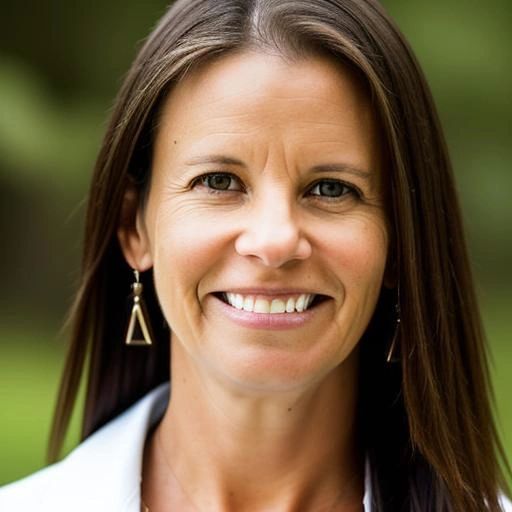
About the Author
Rebecca Anderson, PhD
Licensed Psychologist & Co-Owner, Florida Coast Counseling
Dr. Anderson is a Licensed Psychologist with over 20 years of experience helping individuals navigate anxiety, depression, life transitions, and mood disorders. She co-founded Florida Coast Counseling with Christy Shutok and sees clients at the Naples and Estero offices. Her approach combines evidence-based practices -- including CBT, mindfulness, and Internal Family Systems -- with a warm, client-centered style.
View Full Profile →Ready to Find Your Therapist in Fort Myers?
Florida Coast Counseling has licensed therapists at our Fort Myers office on Matthew Drive, plus offices in Naples and Estero. We accept most major insurance plans, including Care Partners, and are currently accepting new clients.
Available at our Fort Myers, Naples, and Estero offices, plus telehealth across Florida.
If you or someone you know is in crisis, please contact the 988 Suicide & Crisis Lifeline by calling or texting 988, or reach the Crisis Text Line by texting HOME to 741741. These services are free, confidential, and available 24/7.