Mental Health After Hurricane Ian: What Lee County Families Need to Know
Hurricane Ian was one of the most destructive storms in Florida history. Years later, its psychological effects are still being felt across Lee County and Southwest Florida -- often in ways people do not immediately recognize as storm-related.
By Rebecca Anderson, PhD · Licensed Psychologist · Florida Coast Counseling
When Hurricane Ian made landfall near Fort Myers on September 28, 2022, it brought a storm surge of 15 to 18 feet to Fort Myers Beach, destroyed the Sanibel Causeway, isolated Pine Island, and caused catastrophic flooding across Cape Coral, Lehigh Acres, and inland Fort Myers neighborhoods. With 149 recorded deaths in Lee County and an estimated $112 billion in damage statewide, Ian was the deadliest hurricane to strike Florida since 1935.
The physical rebuilding has been visible -- new roofs, rebuilt businesses, restored roads. The psychological rebuilding is less visible, and in many cases, less complete. Research on major natural disasters consistently shows that mental health impacts peak not immediately after the storm but in the months and years that follow, as the adrenaline fades and people are left with disrupted lives, financial strain, grief, and a nervous system that has been fundamentally altered by the experience.
This article is for Lee County residents who are still carrying the weight of Hurricane Ian -- whether or not they have named it that way.
Who Is Still Being Affected
The mental health impact of Hurricane Ian did not fall evenly, and it has not resolved evenly. Several groups are at particularly elevated risk for ongoing psychological effects.
Direct Survivors of the Worst-Hit Areas
Residents of Fort Myers Beach, Sanibel, Captiva, Pine Island, and Cape Coral who were present during the storm and witnessed the storm surge firsthand carry a different kind of trauma than those who evacuated. The experience of watching your home flood, being trapped, or losing everything you owned in a matter of hours creates a traumatic imprint that does not simply fade with time. Intrusive memories, hypervigilance about weather, and difficulty returning to or even driving through affected areas are all common patterns we have seen in survivors from these communities.
People Who Lost Their Homes or Significant Property
The loss of a home is not just a financial loss -- it is the loss of safety, memory, and belonging. For retirees who had spent decades building their lives in Lee County, watching it destroyed in hours and then navigating insurance disputes, contractor fraud, and years of displacement has been its own form of cumulative trauma. The financial stress has been a particular driver of depression and anxiety in this population.
Children Who Changed Schools or Were Displaced
In Lee County, hundreds of students were displaced from damaged schools following Ian. Children who experienced the hurricane directly, or who lost their home or neighborhood, or who were separated from their peer group due to school closures and reassignments, are at elevated risk for anxiety, behavioral changes, and academic difficulties. For some of these children, the effects are still visible today -- a wariness that did not exist before the storm, or a persistent difficulty settling into school routines.
First Responders and Recovery Workers
Lee County first responders, utility workers, healthcare professionals, and the thousands of people who worked through the immediate aftermath are a population at high risk for secondary trauma, moral injury, and burnout. Many have not sought mental health support, either because it did not feel available or because the culture of their work discourages it.
People with Pre-Existing Anxiety or Trauma History
Hurricane Ian did not create mental health problems out of nowhere -- it activated and intensified vulnerabilities that already existed. People with prior trauma history, anxiety disorders, or depression were hit harder and have recovered more slowly. If you had anxiety before the storm and feel like you have never quite gotten back to your baseline since, that is a pattern worth addressing directly.
Signs That the Storm Is Still Affecting You
Post-hurricane mental health effects can be subtle enough that people do not connect them to the storm. Here are patterns that warrant attention:
- Weather anxiety that has grown, not shrunk. Checking forecasts compulsively, losing sleep when a tropical system develops anywhere in the Gulf, or experiencing panic-level distress during summer storms.
- Avoidance of certain places. Refusing to return to Fort Myers Beach, difficulty driving near affected areas, or feeling disproportionate dread about coastal areas you used to love.
- Sleep disturbances. Nightmares, difficulty falling or staying asleep, or waking in a state of alarm -- particularly in the weeks surrounding hurricane season milestones.
- Emotional numbing or flatness. Feeling disconnected from things that used to matter, difficulty experiencing pleasure, or a sense of going through the motions without genuine engagement.
- Irritability and short fuse. Snapping at family members, reduced tolerance for frustration, or a persistent low-grade anger that was not characteristic of you before.
- Financial anxiety that is disproportionate. Persistent worry about money, even in people who are financially stable, can be rooted in the loss and uncertainty the storm created.
- Anniversary reactions. Feeling worse in September as the anniversary of Ian's landfall approaches, or experiencing a spike in distress when news covers hurricanes elsewhere.
What Actually Helps Hurricane Trauma
The good news is that hurricane trauma responds well to treatment, even years after the event. Time alone rarely resolves it -- active processing does.
EMDR Therapy
EMDR (Eye Movement Desensitization and Reprocessing) is one of the most effective treatments for trauma, including disaster-related PTSD. It works by helping the brain process traumatic memories in a way that reduces their emotional intensity -- without requiring you to relive the experience in graphic detail. It is particularly well-suited for hurricane trauma because the traumatic material is often very visual and sensory: what the water looked like, the sounds, the physical experience of fear. Several sessions of EMDR can produce significant relief, and it is fully covered by most insurance plans when provided by a licensed therapist. For more information, see our article on what EMDR therapy is and how it works.
Trauma-Focused CBT
Trauma-focused Cognitive Behavioral Therapy helps you examine and challenge the beliefs that may have formed in the aftermath of the storm -- beliefs like "nowhere is safe," "I should have done more," or "I can't handle it if it happens again." It also includes structured approaches to gradually re-engaging with situations you have been avoiding, which reduces the long-term power of avoidance-based coping.
For Children: Play Therapy and Trauma-Focused Approaches
Children process trauma differently than adults. Play therapy and trauma-focused CBT adapted for children are highly effective, developmentally appropriate approaches that help kids process what happened and rebuild a sense of safety. If your child's behavior changed after Hurricane Ian and has not fully returned to baseline, a consultation with one of our child therapists is a reasonable and valuable step.
Key Takeaway
Hurricane Ian was not just a weather event -- it was a collective trauma that is still shaping how people in Lee County and Southwest Florida feel, sleep, relate to each other, and experience the Gulf coast they live on. If you or your family are still carrying that weight, you are not being dramatic. The effects of major disasters on mental health are well-documented and real, and they respond well to treatment. You do not have to keep managing this alone. Our therapists at Florida Coast Counseling serve the Fort Myers, Naples, and Estero communities and understand the local experience of this storm from the inside.
Local Mental Health Resources in Lee County
If cost or access is a barrier to therapy, the following local and state resources serve Lee County and Southwest Florida residents:
- 211 Helpline -- Call or text 211. Connects you to local mental health resources, sliding-scale providers, and crisis services in Lee and Collier County.
- Florida Crisis Line -- 1-800-962-2873, available 24/7 for mental health crisis support.
- 988 Suicide & Crisis Lifeline -- Call or text 988. Free, confidential, available 24/7.
- NAMI Florida -- namiflorida.org. Peer support groups, education programs, and referral resources.
If you are ready to connect with a licensed therapist, contact Florida Coast Counseling to schedule a consultation. We accept most major insurance plans and serve clients at our Fort Myers, Naples, and Estero offices and via telehealth throughout Florida.
Frequently Asked Questions
How long after a hurricane can PTSD develop?
PTSD can develop weeks or even months after a traumatic event, not just immediately after. Some people feel fine in the acute aftermath -- running on adrenaline and the demands of cleanup and rebuilding -- and then experience a crash once the immediate crisis stabilizes. Others notice gradually worsening symptoms over time: sleep becoming more disrupted, avoidance behaviors expanding, emotional numbness increasing. If you are now, two or three years after Hurricane Ian, experiencing symptoms you did not have before the storm, the hurricane may still be the root. This is not unusual, and it is very treatable.
Is EMDR therapy effective for hurricane trauma?
Yes. EMDR (Eye Movement Desensitization and Reprocessing) is one of the most well-researched treatments for trauma and PTSD, and it has been used effectively with disaster survivors around the world. It does not require you to talk through the traumatic event in extensive detail, which many people find preferable. Instead, it uses bilateral stimulation while you briefly focus on the memory, allowing the brain to process it in a way that reduces its emotional charge. At Florida Coast Counseling, Christy Shutok, MA, LMHC is trained in EMDR and has experience working with trauma survivors, including those affected by Hurricane Ian.
My child has been different since Hurricane Ian. Should we get them evaluated?
Yes, if you have noticed persistent changes in your child's mood, behavior, sleep, or school performance since the hurricane, an evaluation with a child therapist is worth pursuing. Children often do not have the language to describe what they are experiencing, but trauma shows up in their behavior -- increased clinginess, nightmares, anger outbursts, regression, withdrawal, or a sudden drop in school performance. These patterns can persist for years without intervention and are very responsive to treatment, especially play therapy and trauma-focused CBT. Our child and adolescent therapists at Florida Coast Counseling serve families throughout Lee County and Collier County.
Are there free or low-cost mental health resources in Lee County for hurricane survivors?
Yes. The 211 Helpline (call or text 211) connects Lee County residents to local mental health resources, including programs with sliding-scale fees. NAMI Florida (namiflorida.org) offers peer support and referral services. The Florida Department of Children and Families also maintains a crisis line at 1-800-962-2873. If cost is a barrier, please reach out to us as well -- we will do our best to connect you with appropriate resources, and we can discuss insurance coverage and payment options.
Related Resources
Hurricane PTSD in Florida
Signs of hurricane trauma and when to seek help
What Is EMDR Therapy?
How EMDR works and why it's effective for trauma
When Your Child Won't Go to School
School refusal and anxiety in Lee and Collier County children
Trauma & PTSD Therapy
Our approach to treating trauma in Southwest Florida
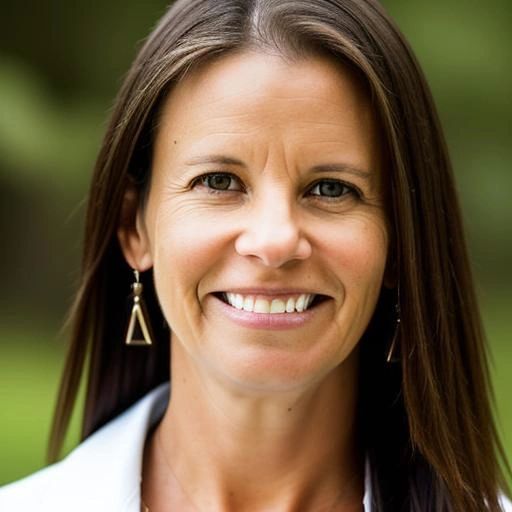
About the Author
Rebecca Anderson, PhD
Licensed Psychologist & Co-Owner, Florida Coast Counseling
Dr. Anderson is a Licensed Psychologist with over 20 years of experience helping individuals navigate anxiety, depression, life transitions, and mood disorders. She co-founded Florida Coast Counseling with Christy Shutok and sees clients at the Naples and Estero offices. Her approach combines evidence-based practices -- including CBT, mindfulness, and Internal Family Systems -- with a warm, client-centered style.
View Full Profile →You Do Not Have to Carry This Alone
Whether you lost your home, witnessed the storm, or simply have not felt like yourself since September 2022 -- your experience deserves real support. Our therapists in Fort Myers, Naples, and Estero understand what this community went through, and we are here to help.
Available at our Naples, Estero, and Fort Myers offices, plus telehealth across Florida.
If you or someone you know is in crisis, please contact the 988 Suicide & Crisis Lifeline by calling or texting 988, or reach the Crisis Text Line by texting HOME to 741741. These services are free, confidential, and available 24/7.